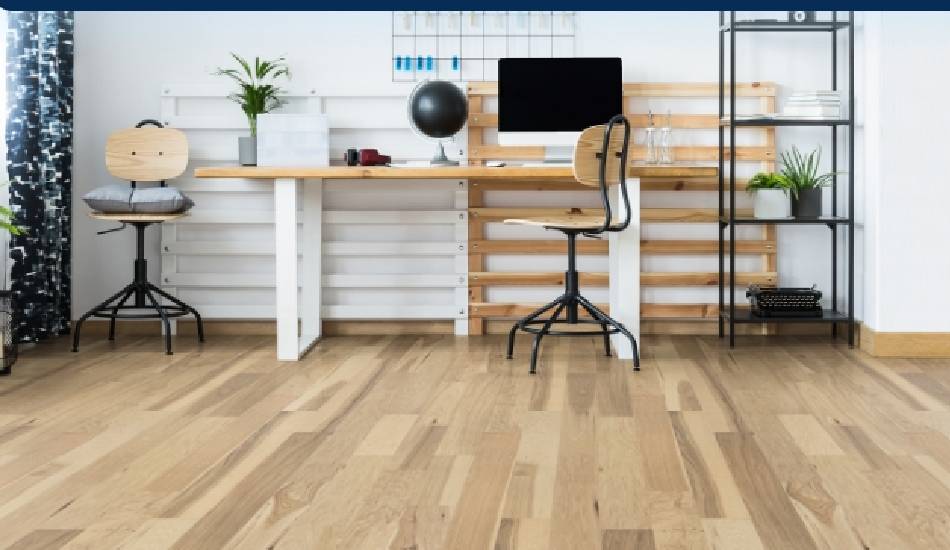
Flooring renovation has become one of the most impactful ways to completely transform any room in your home, as the right flooring choice can instantly elevate aesthetics, functionality, and property value while reflecting current design trends and personal style preferences. The flooring you select sets the foundation for your entire room's design scheme, influencing color palettes, furniture choices, and overall ambiance in ways that few other design elements can achieve. Whether you're refreshing a single room or undertaking a whole-home renovation project, staying informed about current flooring trends helps you make investment decisions that enhance your space while remaining timeless enough to avoid looking dated within a few years.
Wide-plank hardwood flooring remains a timeless favorite among homeowners, offering warmth, elegance, and durability while creating an illusion of spaciousness in smaller rooms through longer boards that reduce visual interruptions and enhance overall flow. Modern engineered hardwood provides the authentic appearance and feel of solid wood while offering superior moisture resistance, stability, and affordability, making it ideal for kitchens, bathrooms, and basements where traditional hardwood might be impractical. The shift toward wider planks—often eight inches or more—represents a significant trend that creates seamless, contemporary looks that feel more luxurious and spacious than traditional narrow-strip flooring, instantly updating homes with a sophisticated, high-end aesthetic.
Luxury vinyl plank (LVP) flooring has revolutionized the renovation industry by providing a waterproof, budget-friendly alternative that perfectly mimics the appearance of natural hardwood or stone while offering superior durability, easy maintenance, and suitability for moisture-prone areas like kitchens and bathrooms. Advanced printing technologies now create photorealistic wood grain patterns and stone textures that convincingly replicate premium materials at a fraction of the cost, allowing homeowners to achieve luxury aesthetics within realistic budgets. LVP's click-lock installation systems enable faster, easier DIY installation, while its waterproof core and wear layers provide superior protection against spills, pet accidents, and high-traffic wear, making it increasingly popular among families seeking practical, beautiful solutions.
Large-format tiles and engineered stone have gained tremendous popularity for creating seamless, sophisticated looks that make rooms appear larger and more contemporary, while their non-porous surfaces resist staining, moisture damage, and require minimal upkeep compared to traditional materials. Oversized tiles measuring 18 by 36 inches or larger minimize grout lines, creating clean aesthetic statements that feel modern and upscale while reducing maintenance burden and improving functionality in busy households. Mixed-material flooring combines different textures and finishes in strategic areas, such as pairing hardwood in living spaces with tile in kitchens or entryways, creating visual interest and defining distinct zones within open-concept homes.
This trend allows creative expression while maintaining practical functionality, as you can select materials suited to each area's specific demands—choosing water-resistant options for wet spaces while preserving warm hardwood aesthetics in living areas. The key to successful mixed-material installations involves thoughtful transition planning and coordinating color palettes to ensure cohesive flow rather than jarring, disjointed appearances throughout your home. Sustainable and eco-friendly flooring options like bamboo, cork, and reclaimed wood appeal to environmentally conscious homeowners seeking durable alternatives that reduce their carbon footprint while adding character and rustic charm to renovation projects. Bamboo offers comparable hardness to traditional hardwoods while regenerating rapidly, making it an exceptionally sustainable choice that doesn't compromise on beauty or performance.
Cork provides unique warmth, cushioning comfort, and natural sound absorption while coming from renewable bark harvesting that doesn't harm trees, creating beautiful, functional spaces that align with environmental values and modern design sensibilities. Matte and textured finishes have replaced high-gloss surfaces, offering modern aesthetics that hide footprints, dust, and imperfections while providing better slip resistance and sophisticated, contemporary appearances throughout your home. Brushed, hand-scraped, and distressed finishes add depth and character to hardwood floors, creating visual interest that makes spaces feel more inviting and less sterile than perfectly smooth surfaces. These textured options also improve functionality by reducing glare, hiding wear patterns in high-traffic areas, and creating safer surfaces with better traction, especially important in households with children, pets, or elderly family members.
Warm neutral tones including greige, soft gray, and light oak continue trending because they complement various design styles, maximize natural light reflection, and provide versatile backdrops for furniture and décor changes without dating your renovation investment. Unlike trendy bold colors that quickly feel dated, neutral flooring provides timeless foundations that adapt to changing preferences, allowing you to refresh room aesthetics through paint colors, accessories, and furnishings without expensive flooring replacements. This strategic approach ensures your flooring investment remains relevant and beautiful for decades, providing exceptional value and flexibility as your lifestyle and design preferences evolve. Underfloor heating systems integrated with various flooring materials have become increasingly popular for adding luxury and comfort during cold months while improving energy efficiency and creating cozy, welcoming environments in bedrooms, bathrooms, and living areas. Modern systems work effectively beneath hardwood, tile, and LVP, providing zone-controlled warmth that reduces reliance on central heating while lowering energy bills and eliminating cold feet on winter mornings.